BrAIn Project Logo

BrAIn

Erasmus+ ProjectSchool Education No: 2025-1-ES01-KA220-SCH-000358138

Empowering students, educators, and families with the knowledge and skills to navigate the AI-driven future responsibly.

BrAIn Project Logo – Brain First AI Second

About BrAIn

BrAIn aims to equip students with the knowledge and skills necessary to understand and engage with artificial intelligence (AI) in a responsible and ethical manner. As AI becomes increasingly integrated into various aspects of daily life, it is crucial for young people to develop a critical understanding of how these technologies work, their potential benefits, and the ethical considerations they raise.

The project focuses on fostering AI literacy among students aged 12-16, helping them to navigate the complexities of AI-driven systems. Through interactive learning experiences, students will explore topics such as machine learning, data privacy, algorithmic bias, and the societal impact of AI. The curriculum is designed to be accessible and engaging, encouraging students to think critically about the role of AI in their lives and the broader implications for society.

By promoting responsible AI literacy, BrAIn seeks to empower the next generation to become informed digital citizens who can make thoughtful decisions about technology use. The project also aims to support educators by providing them with the resources and training needed to effectively teach AI concepts in the classroom. Additionally, BrAIn recognizes the importance of involving parents and families in the learning process, offering guidance on how to discuss AI-related topics at home.

Through collaboration between schools, educators, students, and families, BrAIn strives to create a comprehensive approach to AI education that prepares young people for the challenges and opportunities of an AI-driven future.

Education, Collaboration, and AI Literacy

Project Objectives

Our comprehensive approach to building responsible AI literacy through education, collaboration, and practical application

Develop AI Literacy

Equip students with foundational knowledge of AI concepts, including machine learning, neural networks, and data processing.

Promote Ethical Understanding

Foster critical thinking about ethical considerations in AI, including privacy, bias, fairness, and transparency.

Encourage Collaboration

Create opportunities for students to work together on AI-related projects, promoting teamwork and peer learning.

Build Practical Skills

Provide hands-on experiences with AI tools and technologies, enabling students to apply theoretical knowledge in real-world contexts.

Support Educators

Offer comprehensive training and resources for teachers to effectively integrate AI education into their curriculum.

Empower Digital Citizens

Prepare students to become informed, responsible digital citizens capable of making thoughtful decisions about AI technology.

Project Results

Key deliverables and outcomes from the BrAIn project designed to support AI education across Europe

SkillQuest Framework icon
SkillQuest Framework

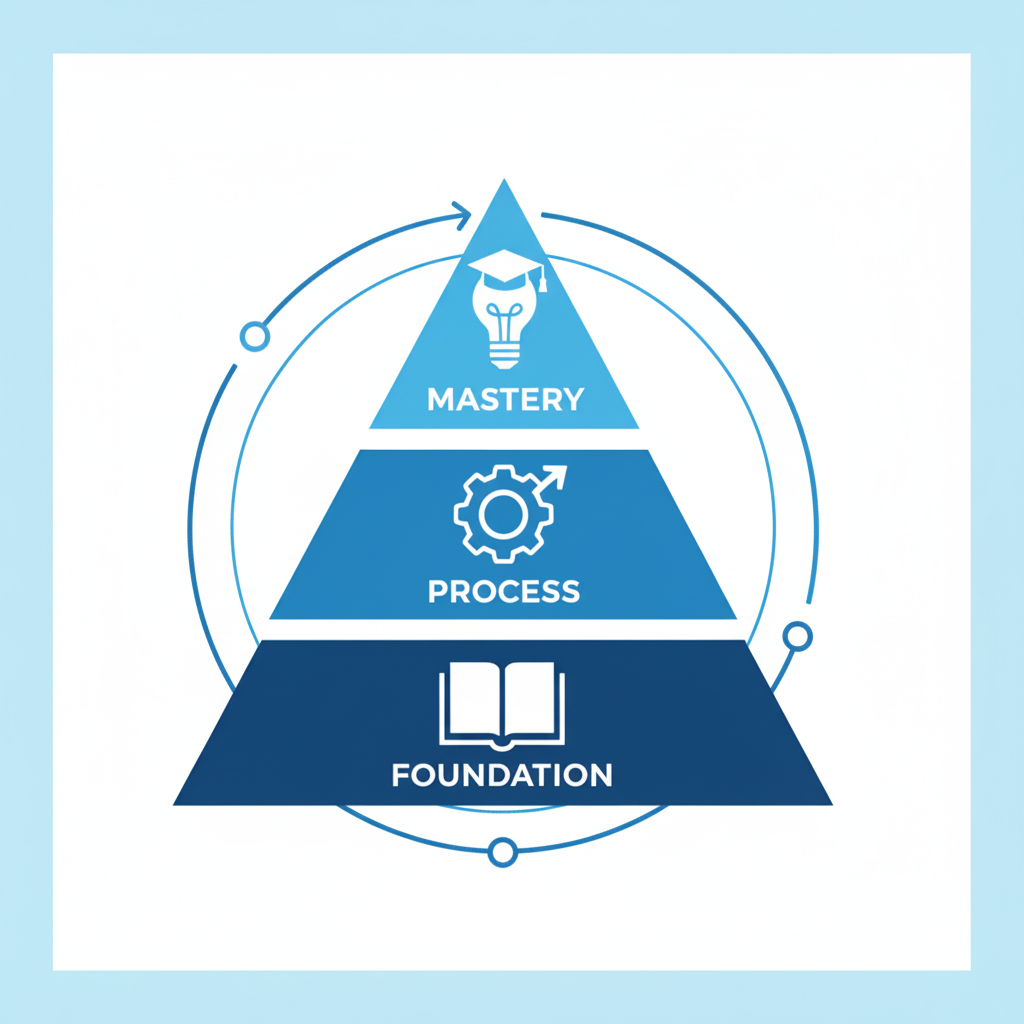
A comprehensive educational framework designed to guide students through AI literacy development with structured learning pathways and competency-based progression.

Teachers' Handbook icon
Teachers' Handbook

An essential resource providing educators with practical strategies, lesson plans, and pedagogical approaches for effectively teaching AI concepts and ethics in the classroom.

Active BrAIn Platform icon
Active BrAIn Platform

An interactive digital platform offering hands-on AI learning experiences, collaborative tools, and resources for students, teachers, and families to explore AI together.

Target Groups

BrAIn serves a diverse community of learners, educators, and families

Students (Ages 6-12)

Young learners developing critical AI literacy skills and understanding the ethical implications of artificial intelligence in their daily lives.

Educators
Educators

Teachers and educational professionals receiving training, resources, and support to effectively integrate AI education into their curriculum.

Parents & Families
Parents & Families

Family members gaining insights and guidance on how to discuss AI-related topics at home and support their children's digital literacy journey.

Partners

Collaborating institutions working together to advance AI literacy in education

Carlos V School logo
Carlos V School

Spain

Carlos V School is a non-denominational educational centre in southern Spain, providing early childhood, primary, and secondary education. As a Google for Education school with a strong bilingual programme, it is recognised for its innovative use of digital tools, inclusive practices, and active participation in Erasmus+ projects focused on international cooperation and educational excellence.

Visit Website
Hristo Smirnenski Primary School logo
Hristo Smirnenski Primary School

Bulgaria

Hristo Smirnenski Primary School is a public, innovative school in Rakovski, Bulgaria, educating students aged 5–14. Recognised as a Microsoft Innovative School and EcoSchool, it has a strong focus on STEM education, digital transformation, sustainability, and international cooperation through Erasmus+ and eTwinning initiatives.

Visit Website
Grupo DSG Consultores, Formación e Innovación, S.L. logo
Grupo DSG Consultores, Formación e Innovación, S.L.

Spain

Founded in 2005, Grupo DSG Consultores is a Spanish organisation specialising in education, training, and innovation. It supports skills development, lifelong learning, and professional training through tailored programmes, educational research, and European cooperation projects.

Visit Website
Mersin Governorship logo
Mersin Governorship

Türkiye

Public institution providing digital transformation, modernization, and innovation support for all schools in the Mersin province.

Visit Website
UCL University College logo
UCL University College

Denmark

UCL University College is a regional higher education institution in Denmark with multiple campuses across Southern Denmark. It specialises in teacher education, applied research, and professional development, supporting innovation, digital pedagogy, and international cooperation in education.

Visit Website
BrainLog logo
BrainLog

Denmark

BrainLog is a non-profit organisation based in Denmark, specialising in non-formal education, digital learning platforms, and project development. It supports public institutions, NGOs, and companies through training, consultancy, and EU-funded initiatives focused on lifelong learning, digital literacy, and soft skills development.

Visit Website
Know and Can Association logo
Know and Can Association

Bulgaria

Know & Can Association is an NGO working mainly in the field of non-formal education, development and implementation of KA1 trainings and on European projects and programmes in the fields of education and training, rights, justice, citizenship and mobility. Know and Can works with partners in and outside EU.

Visit Website
Atatürk Ortaokulu logo
Atatürk Ortaokulu

Türkiye

İzmit Atatürk Ortaokulu is a public secondary school located in the city centre of İzmit, Türkiye, and affiliated with the Ministry of National Education. The school is recognised for its strong focus on educational quality, innovative teaching practices, and the development of 21st-century skills through well-equipped workshops in STEM, ICT, arts, coding, and creative learning.

Visit Website

Connect With Us

Stay updated with the latest news, resources, and developments from the BrAIn project

EPALE

European Platform for Adult Learning

Facebook

Follow us on Facebook

Instagram

@brain_erasmus

LinkedIn

Connect with us professionally